Category Archives: Lifestyle

Supporting Gut Barrier Health: Clinical Evidence from elénzia’s PoZibio® Gut Wellness Study

For more than ten years, I lived with the ups and downs of peptic ulcer and acid reflux. I knew the routine all too well: the burning discomfort after meals, the restless nights, and the familiar reach for antacids or a proton pump inhibitor just to make it through the day. Like many people, I focused on managing the symptoms rather than understanding what was really happening inside my gut.

Digestive discomfort is far more common than most people realize. Bloating, irregular bowel habits, or that burning feeling after meals can quietly drain your energy, affect your mood, and interfere with daily life. Many of us either learn to “cope” or chase short-term remedies without addressing the underlying cause.

Science is now helping us see a clearer picture. A lot of our digestive comfort comes from the health and integrity of the gut’s protective mucus layer, a vital barrier that helps digestion run smoothly and shields the lining from irritation. Over time, things like antibiotics, infections, stress, diet, and even aging can weaken this layer. When that happens, it can trigger the very symptoms so many of us endure every day without really knowing why.

What Is the Gut Barrier and Why Does It Matter?

The gut lining consists of epithelial cells sealed by tight junction proteins and covered by a protective mucus layer secreted by goblet cells. The major structural protein in this layer is Mucin-2 (Muc2). This mucus barrier physically separates gut microbes from the intestinal wall, preventing inflammation and immune activation (Johansson, 2012; König et al., 2016).

When the mucus layer becomes thinner, bacteria and bacterial components can come into direct contact with gut tissue, increasing permeability and promoting “leaky gut”, which has been observed in aging populations and in chronic digestive discomfort (Elderman et al., 2017; Vemuri et al., 2018).

A compromised mucus layer can lead to inflammation and symptoms such as bloating, abdominal discomfort, constipation, and food sensitivity.

PoZibio®: A New Approach to supporting the Gut Barrier

Traditional probiotics are designed to add beneficial bacteria to the gut.
However, emerging research suggests that postbiotics, bioactive molecules produced by beneficial bacteria, may directly support the gut lining in a more reliable and targeted way. One such postbiotic is PoZibio®, derived from Lactobacillus paracasei D3-5.

Unlike probiotics, PoZibio® does not need to survive digestion or colonize the gut. One of its active compounds, Lipoteichoic Acid (LTA), works directly on the cells that produce the protective mucus. Research has shown that PoZibio® activates Toll-Like Receptor 2 on goblet cells, which triggers increased Mucin-2 production. This helps rebuild the protective mucus layer and support tighter barrier function.

In other words, PoZibio® helps the gut restore its natural protective lining, making digestion feel calmer and more stable.

The Gut Wellness Study: Real-World Evidence

An 8-week randomized, placebo-controlled Study conducted by the research team at elénzia MEDICAL, evaluated the effects of PoZibio® in adults with ongoing digestive discomfort. Participants took either PoZibio® 100 mg, PoZibio® 340 mg or placebo.

Throughout the study, participants tracked their symptoms and daily wellbeing using elénzia’s bespoke digital research platform – the Ingredients for Life™ app. This advanced app seamlessly integrated clinically validated assessment tools, including the Gastrointestinal Symptom Rating Scale (GSRS) and the Digestion-associated Quality of Life Questionnaire (DQLQ), which were delivered bi-weekly to participants. This digital approach ensured real-time, high-quality data capture and reflects elénzia’s commitment to innovative, tech-enabled clinical research in nutritional science.

Gut Wellness Study Results: Improvements in Digestive Comfort and Wellbeing

  • Reduced Digestive Symptoms up to 41%

    Those taking PoZibio® experienced up to a 41% reduction in overall gut symptoms compared to just 19% in the placebo group. Many participants described feeling lighter, less bloated, and more comfortable day to day.

  • Relief from Indigestion

    By week 8, indigestion symptoms such as bloating, excessive gas, and post-meal discomfort improved by around 45% in those taking the higher dose of PoZibio®. Even the lower dose group saw close to 40% improvement, compared to only 13% in those who didn’t take PoZibio®.

  • Improved Bowel Regularity

    Constipation symptoms improved significantly: up to 43% improvement in the higher-dose group and 23% improvement in the lower dose group, while the placebo group saw no benefit.

  • Enhanced digestion-related quality of life

    Digestive health affects more than just the gut, it influences how people eat, socialise, and feel day to day. Using the Digestion-Associated Quality of Life Questionnaire (DQLQ), the study captured how participants’ digestive symptoms impacted their relationship with food and drink, emotional wellbeing, and social or physical activities.

    After 8 weeks, those supplementing with PoZibio® reported around a 50% improvement in quality-of-life scores, compared to only 12% in the placebo group. Participants said they felt more confident eating a wider range of foods, experienced less discomfort after meals, and felt more comfortable participating in everyday social and physical activities.

  • Improved overall digestive health

    More than 6 in 10 participants taking PoZibio® noticed at least a 30% improvement in their digestive health overall and for indigestion-related issues, this number was even higher, reaching 75% in the higher-dose group. Importantly, PoZibio® was very well tolerated, with no serious adverse events reported throughout the study.

  • Participant Experiences from the Gut Wellness Study

    Beyond the numbers, the personal experiences shared by participants highlight the real-world benefits of PoZibio® supplementation. Many described noticeable improvements in comfort, regularity, and overall wellbeing which is consistent with the clinical outcomes observed.

    Participants taking the higher 340 mg dose often reported significant relief from digestive discomfort:

    “I felt less bloated and less constipated; overall I just felt better.” – Female, 60

    “I was always constipated and that has now stopped since taking this. I was bloated and feeling sluggish, and that’s no longer happening.” – Female, 41

    “I can go to the toilet easier and feel much less bloated.” – Female, 48


    Those on the 100 mg dose also experienced meaningful benefits:

    “If I remembered to take the capsule just before food, I wasn’t bloated like I usually am in the morning or evening.” – Female, 32

    “Less bloating, and when it happened, it wasn’t painful. I have better confidence in my body and less anxiety.” – Female, 33

    “I’ve had a significant reduction in acid problems. I can eat foods I haven’t tolerated in years, like pickles and bread, without burping or discomfort. Everything feels so much calmer. I feel like I’ve been reset, rebooted.” – Female, 65

    Together, these voices reflect what the data already showed with a consistent pattern of improved digestion, comfort, and quality of life across participants supplementing with PoZibio®, which aligns with its mechanism of action in supporting gut barrier integrity and overall digestive health. This study reinforces an important idea:

    Improving gut comfort isn’t just about what you avoid, it’s about what you rebuild.

    From Science to Solution: The Evolution of elénzia FIX®

    The success of the Gut Wellness Study provided the scientific foundation for elénzia FIX®, a formulation that translates clinical insights into daily wellness. Guided by the results observed with PoZibio®, our medical research team enhanced the formula with a synergistic blend of nutrients designed to target multiple aspects of gut health simultaneously.

    At elénzia, our mission is to translate cutting-edge science into meaningful daily health solutions. With elénzia FIX®, we’ve created more than a supplement, it’s a clinically inspired formulation designed to soothe, repair, and restore balance to the gut. Backed by real-world data and developed through our advanced digital research platform, elénzia FIX® represents the next step in personalised gut health innovation, helping you feel lighter, more comfortable, and more like yourself again.

    Menopause Uncovered: Real Stories, Honest Advice, and What No One Talks About

    Menopause is a natural stage of life, yet for many women, it can feel like a reset button that they didn’t ask for. From physical changes and fluctuating energy levels to mental health challenges, navigating this transition can feel overwhelming, especially when conversations are limited.

    At elénzia, menopause awareness is something close to our hearts. We wanted to create a space for meaningful conversation and provide menopause support through shared experiences rather than medical advice.

    We approached four remarkable women, each from different careers and backgrounds but all facing the same challenges. We spoke to Dr Megha Dhavale, GP and public speaker, Jackie Lynch, menopause nutritionist and author, Louise Pitman, yoga teacher, and Katie Taylor, business owner and podcaster. Each brought unique experiences and insights to the discussion, highlighting both the physical and mental health challenges women face and the need for better understanding and support.

    How Often Should We Talk About Menopause?

    Although menopause is now part of more general conversation, many women still find themselves wondering how often they should talk about it and with whom. When we asked our guests, their replies were refreshingly honest. They speak about menopause “all the time”. Whether it comes up at home, at work or in conversations with close friends, each of them emphasised how important openness has been.

    Because these conversations can still feel awkward or stigmatised, Dr Megha Dhavale encouraged women to “talk to anyone that is willing to listen”. For women, speaking openly is not only reassuring but also a way to prevent experiences from being dismissed, whether by healthcare professionals or by peers.

    Sharing her own frustration, Katie Taylor shared that after feeling overlooked by her doctor, she was “angry that nobody put two and two together”.  She also opened up to us about how isolating the experience can be when symptoms are missed or misunderstood. Normalising these discussions is essential, and Katie now encourages women to speak up to help ensure earlier recognition of symptoms so that they feel heard and supported.

    What Advice Helps Women Going Through Menopause?

    Advice for women experiencing menopause can often feel overwhelming, particularly when it comes from someone who has not been through it themselves. As Dr Megha Dhavale reminded us, “everyone will have their own unique experience”, yet shared understanding can be incredibly empowering and reassuring.

    In our film, Jackie Lynch offered a wealth of nutrition guidance to help women support their bodies from the inside out. She explained how specific vitamins and minerals can make a genuine difference during this phase of life and encouraged women to see food as a valuable tool rather than an added pressure.

    Louise Pitman offered a similar perspective, encouraging women to listen closely to their bodies. “You should listen to your body when she is telling you what she needs,” she shared. From her holistic perspective, movement plays an important role in emotional and physical wellbeing. She encouraged women to explore gentle forms of exercise such as swimming and yoga, both of which can help calm the nervous system. With mood swings, anxiety and sleep disturbances being so common, small adjustments to daily routines can have a surprisingly positive impact.

    What stood out most from each conversation was that the most valuable advice is rarely complicated. It centres on listening, validating experiences and exchanging ideas that have helped others. Whether this means trying relaxation techniques, creating new self-care rituals or simply talking to someone who understands, support can make a profound difference.
    Menopause may be a personal journey, but it becomes far more manageable when women share their stories and uplift one another.

    What Lifestyle Changes Can You Expect?

    Menopause can introduce a wide range of changes, touching everything from sleep and energy levels to weight, digestion and emotional wellbeing. Many people are familiar with symptoms such as hot flushes and night sweats, but others are talked about far less often. Sudden mood swings, nausea, a drop in confidence or feeling unlike yourself can take women by surprise. Some symptoms are less common, yet they can be deeply affecting if they are not recognised and supported early.

    In our conversation, Katie Taylor spoke openly about how dramatically her perimenopause affected her mental health. She described feeling “like a nuisance and a bit of a fraud”, emotions that grew more intense as her symptoms went unacknowledged. At one point, she became so overwhelmed that she wrote a letter to her children in case anything happened to her. Her experience was shaped by feeling dismissed by her doctor, an issue that far too many women still face.

    Dr Dhavale highlighted this pattern as well, explaining that many of her patients have told her they felt “fobbed off” when seeking help. For some, the emotional and physical changes arrive unexpectedly, which can create a real shock to the system and lead to a significant loss of confidence.

    Recognising these shifts, even the ones that are less talked about, can make an enormous difference. Awareness allows women to adjust routines, prioritise self-care and understand that what they are feeling is valid. For those in perimenopause, identifying symptoms such as irregular periods or disrupted sleep, and knowing the typical age range for these changes, can bring reassurance and a sense of control during this transition.

    How Can Partners and Family Provide Support?

    Support from partners, family and friends can make a profound difference during menopause, yet it is not always easy to understand what a loved one is experiencing.

    Louise Pitman offered a particularly thoughtful perspective, encouraging families and friends to truly “listen… that person may not know why they feel like laughing one minute and screaming the next”. Her words remind us that compassion often begins with simply being present and accepting that emotions may shift without clear explanation.

    Small gestures can also go a long way. Checking in regularly, attending appointments together or creating a space for honest conversation can be genuinely transformative. The most meaningful advice for partners tends to focus on patience, open communication and recognising both the emotional and physical challenges involved.

    When support is rooted in understanding rather than assumptions, it becomes easier for women to feel seen, heard and cared for throughout their menopause journey.

    How Do You Know When Menopause Starts?

    Menopause does not have a set starting point. For some women, the early signs may appear in the late-30s, while for others, it happens later. The uncertainty can make the experience even more confusing.
    Louise shared her own moment of realisation, explaining, “I knew that I was at the age of when it perhaps would be, but I wasn’t sure what it was”. Many women feel the same sense of uncertainty because symptoms rarely appear in a neat, predictable order.
    Jackie highlighted this confusion too. “What little I knew about menopause was that periods were meant to get lighter and shorter and not heavier and further apart,” she told us. Her experience is a reminder that many women enter perimenopause with only a limited understanding of what to expect.
    Some of the earliest signs can include irregular periods, changes in sleep, mood shifts and fluctuations in energy levels. While these symptoms can be unsettling, recognising them for what they are can be incredibly reassuring.
    Understanding the early stages of menopause makes it easier for women to seek support, adjust routines and approach the transition with more confidence. It also encourages more open conversations with healthcare professionals, friends and family, helping to build a stronger network of support around them.

    Why We Spoke Out

    At elénzia, menopause awareness is something that is truly close to our hearts. We chose to speak out because awareness can always be deeper, broader and more inclusive. Menopause affects every woman differently, but one thing is universal: no woman should navigate it alone.
    Menopause is a natural stage of life, and with awareness, conversation and connection, it can be approached with confidence, understanding and care. Yet many women still struggle in silence, whether it is managing symptoms, finding someone to talk to about their experiences or accessing the support they need.
    In creating our recent film, every participant agreed on one thing: women’s health research needs to improve significantly. By sharing these stories, we hope to foster a culture where menopause can be discussed openly, without stigma, embarrassment or fear. Whether it is offering advice, recognising perimenopause symptoms or simply being present to listen, there are ways to support women through this important stage of life every day.

    Watch Our Episodes:

    Episode 1 – Starting the Conversation
    Discover why talking about menopause matters and hear first-hand experiences of breaking the silence.

    Episode 2 – Support and Advice for women and family
    Learn how to communicate with your inner circle about what you are going through and how you can combat those feelings.

    Episode 3 – Empowerment & Women’s Health in Society 
    Gain insights into women’s health research, understand the gaps that exist, and find out what steps can be taken to create meaningful change.

    The Realities of GLP-1 Weight Loss Medications

    Glucagon-like peptide-1 receptor agonists (GLP-1 RAs) like Ozempic, Wegovy and Mounjaro mimic a natural hormone that regulates appetite, insulin, and blood sugar, helping people feel full faster and eat less. These drugs have taken the UK by storm. Celebrities rave about them, and social media is flooded with “before and after” transformations. But beneath the hype, a darker reality lurks. While GLP-1 RAs are increasingly used for weight management, emerging data highlight potential risks that warrant closer scrutiny. Current evidence suggests these medications may pose greater challenges than initially anticipated, particularly when used outside approved guidelines.

    The Quick Fix Trap

    We’ve all been there: scrolling through Instagram, seeing someone’s jaw-dropping weight loss, and wondering, “Is this the answer I’ve been searching for?” But what if the solution to your weight struggles could become a nightmare? These injections aren’t just about shedding pounds—they’re linked to serious health risks that demand attention.

    Gastrointestinal Chaos: More Than Just Nausea

    The most commonly reported side effects of GLP1-medications are gastrointestinal, including nausea, vomiting, diarrhoea, constipation, and abdominal pain (WebMD, 2024). These symptoms are usually mild to moderate and tend to decrease over time, but in some cases, they can lead to severe dehydration, kidney stones, and even gallbladder disorders which require medical attention (WebMD, 2024). The MHRA has reported a 46% surge in hospitalisations for adverse reactions, including cases where patients collapsed from dehydration or organ stress (MHRA, 2024). Gastrointestinal symptoms like nausea and diarrhoea affect up to 50% of users, with most experiencing mild to moderate episodes that diminish over time (PMC, 2015).  Imagine feeling like your body is “at war” with itself—this is the reality for many users. One user on Drugs.com wrote: ”I was nauseous the whole 5 months when I was on it. I had three attacks of non-stop vomiting and the last attack I collapsed 4 times and passed out… it did not agree with me, so I stopped.” This is a grim picture.

    Pancreatitis Risk: Understanding the Potential Concerns

    Fever, vomiting, and a tender abdomen—these are the hallmarks of pancreatitis, a severe inflammation of the pancreas. According to the MHRA, this condition affects 1 in 100 to 1 in 10,000 users, depending on the medication (MHRA, 2024). While rare, it’s a life-threatening emergency that often requires hospitalization. A pooled analysis of clinical trials found a slightly elevated risk of pancreatitis in GLP-1 injection users compared to other anti-diabetic drugs (PMC, 2015).

    Misuse and Dependency

    The UK’s ‘quick fix’ culture has led to dangerous habits. Patients ‘microdose’ to indulge in festive feasts, unaware that abrupt changes can spike pancreatitis risk. Others use unregulated online pharmacies, risking counterfeit products or improper dosing. According to the latest data from the UK’s Medicines and Healthcare Products Regulatory Agency (MHRA), as of January 31, 2025, there have been 82 deaths linked to adverse reactions associated with GLP-1 RAs in the UK, with many cases involving off-label use for weight loss alone (BMJ 2025)

    Long-Term Risks: Beyond the Scale

    While GLP-1 RAs curb appetite, they disrupt natural metabolic processes. Studies reveal a 30% higher risk of nausea/vomiting with long-term use (PMC, 2015). But the problem is, we still don’t fully understand their long-term effects. Most trials span just a few years, leaving unanswered questions about decades of use. Could chronic inflammation or metabolic imbalances emerge? Only time—and more research—will tell.

    Ozempic Face and Muscle Loss

    While these injections work wonders for your waistline, they can wreak havoc on your face. “Ozempic face” is a growing concern: rapid weight loss can leave your face gaunt, hollow, and prematurely aged. As you rapidly shed fat, your skin may not bounce back, leading to sagging, wrinkles, and a sunken appearance. A recent scientific roundtable revealed that participants in clinical trials using GLP-1 agonists lost 10% or more of their muscle mass during the 68–72-week interventions. To put that in perspective, that’s about the same muscle loss you’d expect from 20 years of aging. While the GLP-1 drugs themselves might have some beneficial effects on muscle, the drastic calorie restriction they induce seems to outweigh those benefits, leading to a net loss of precious muscle tissue (Mechanick et al. 2025).

    Straining the NHS: A Systemic Problem

    The surge in demand has stretched healthcare resources. There have been reports of hospitalisations related to adverse reactions, with more than 500 cases documented in the UK as of early 2025, diverting attention from sustainable obesity solutions (Pharmaceutical Journal 2025). Meanwhile, shortages for diabetes patients highlight ethical concerns about prioritising cosmetic weight loss over critical medical needs.

    From Quick Fixes to Long-Term Health

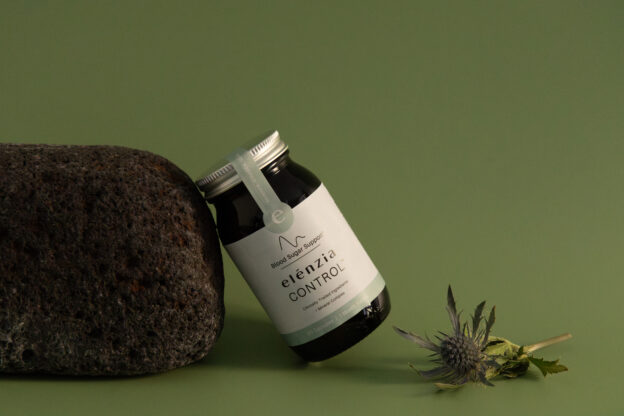
    Here’s the harsh truth: weight loss isn’t just about a needle. It’s about holistic health improvement: building healthy habits, nourishing your body, and moving your body. These injections might offer a temporary fix, but they don’t address the underlying issues. Without those fundamental changes, you’re likely to end up right back where you started. Also, before considering pharmaceutical interventions, it’s essential to do your own research, consult with healthcare professionals, and explore all available options. This might involve investigating natural alternatives to GLP-1, like elénzia CONTROL®, focusing on dietary changes, incorporating regular physical activity, and addressing any underlying emotional or psychological factors that contribute to unhealthy habits. By taking a holistic and informed approach, you can pave the way for long-term well-being and avoid the potential pitfalls of relying solely on medications.

    The Bottom Line

    GLP-1 injections offer short-term results but carry long-term risks that could overwhelm the NHS and harm public health. While they may help some, their widespread misuse and hidden dangers make them a risky gamble. For lasting change, we need to prioritise holistic solutions—not quick fixes.

    Real Results: What Happened When People Tried elénzia CONTROL® for 4 Weeks?

    At elénzia, we believe wellness should work with your body – not against it. That’s why we developed elénzia CONTROL®: a next-generation supplement designed to naturally support appetite regulation, reduce sugar cravings, and help balance blood sugar – all without the need for prescription drugs.

    To put it to the test, we invited a group of people to trial CONTROL® for four weeks and even we were blown away by the results.

    What is CONTROL®?

    elénzia CONTROL® is a daily supplement formulated with a powerful blend of natural ingredients with clinical trials that work holistically to support metabolic health. At the core is Eriomin®, a citrus flavonoid clinically shown to boost your body’s natural GLP-1 production, the same hormone mimicked by weight loss injections like Ozempic and Mounjaro.

    The CONTROL® Consumer Trial: What We Did

    Participants: 19 men and women, aged 18–60

    Trial Length: 4 weeks

    Data Collection: Pre and post-trial questionnaires, Likert-scale ratings (1–10) and open feedback.

    Focus Areas: Appetite, sugar cravings, energy levels, mood, sleep, concentration and overall well-being

    1-Week Check-In: The Early Wins

    After just one week, participants reported noticeable improvements:

    79% experienced a reduced appetite

    74% saw fewer sugar cravings

    68% felt less hungry between meals

    74% reported higher energy levels

    47% felt more emotionally balanced

    Final Results After 4 Weeks

    Behavioural Improvements

    100% saw a reduction in sugar cravings

    95% noticed fewer mid-afternoon energy crashes

    95% reported stronger appetite control

    89% slept better

    84% said they’d continue using CONTROL® long-term

    Ratings That Speak for Themselves

    Average self-reported improvements (out of 10):

    Energy levels: 8 vs. 5.5

    Mood stability: 7.5 vs. 5

    Appetite control: 8.5 vs. 4.5

    Overall well-being: 8 vs. 6.5

    Symptoms like mood swings, hunger between meals, and “hanger” were also significantly reduced.

    What People Said

    “CONTROL® erased 85% of my sugar cravings.”

    “I’ve never felt so balanced – it’s been life-changing for my PCOS and thyroid symptoms.”

    “It gave me sustained energy throughout the day without crashes.”

    “I lost 4lbs without changing anything else. I was shocked at how well it worked.”

    “Alongside some food tweaks, CONTROL® helped me go from prediabetic to healthy blood sugar levels.”

    And just as importantly, several participants described it as easy to fit into their routine and a great alternative to other methods. No serious side effects were reported, with only one person experienced mild indigestion.

    Why It Matters

    CONTROL® is more than a supplement – it’s a more holistic way to support metabolic health. Unlike short-term fixes or aggressive pharmaceuticals, it delivers gentle yet effective support for those navigating:

    PCOS and hormonal imbalance

    Blood sugar crashes and carb cravings

    Menopause-related mood swings and weight gain

    The desire to feel more in control of their health naturally

    Ready to see what CONTROL® could do for you?

    Shop CONTROL® now and get 15% off your first purchase with code NEWCONTROL (offer ends April 30th).

    Beyond the Ozempic Hype: Why elénzia CONTROL® Is a Safer, Long-Term Solution for Weight Loss and Blood Sugar Management.

    I still remember the day I first heard about Ozempic®. It was early last year, during one of my routine laser hair removal sessions. As I lay there, my aesthetician casually mentioned this new “miracle” weight loss treatment. Her enthusiasm was contagious, but I couldn’t help feeling sceptical. It sounded too good to be true.

    Over the next few months, Ozempic seemed to be everywhere—in conversations, on social media, splashed across magazine covers. I found myself torn between curiosity and caution. Could this injection really be the answer so many were seeking? Or was there a better, more sustainable alternative to Ozempic? That’s when I decided to dig deeper, to look beyond the hype and find out what was really going on with our bodies, our weight and our relationship with quick fixes.

    The Risks of Ozempic for Weight Loss

    Meet Sarah, a 45-year-old mother of two who tried every diet under the sun. “I was desperate,” she wrote on Reddit. “Ozempic seemed like the answer to my prayers. But the side effects were brutal. I felt nauseous constantly, and the thought of regaining all the weight once I stopped was terrifying.”

    Sarah’s not alone. While Ozempic can deliver impressive results, it comes with a hefty price tag – both financially and physically. Common side effects include nausea, vomiting and diarrhoea. More alarmingly, there are risks of pancreatitis, gall bladder disorders and muscle loss. And let’s not forget the ethical dilemma: as Ozempic’s popularity for cosmetic weight loss soars, people with type 2 diabetes who truly need it face shortages.

    But what if there was a way to naturally boost GLP-1 without the risks?

    The Natural Alternative: How elénzia CONTROL® Works

    At the heart of elénzia CONTROL® is Eriomin®, a clinically studied blend of lemon flavonoids that boosts your body’s own natural production of GLP-1 – the same hormone Ozempic mimics. It’s like teaching your body to fish, instead of just giving it fish. This begs the question, what happens when we stop giving the body fish? Studies have shown that patients regained around 66% of their weight, which was mostly fat nearly 16 months after Ozempic use. Why go through the burden of losing it only to gain it all back? It’s interesting to note that that unlike synthetic drugs, Eriomin® doesn’t mask symptoms; it addresses the root causes of weight gain and blood sugar imbalances.

    The results speak for themselves. In a 12-week study, Eriomin® reduced fasting blood glucose by 5% – rivalling the effects of metformin, a common diabetes medication. Even more impressive, 24% of prediabetic participants returned to normal blood sugar levels, without changing their lifestyle!

    But elénzia CONTROL® doesn’t stop there. It’s a holistic powerhouse, combining Eriomin® with Bitter Melon extract (a traditional remedy for diabetes and weight loss), Siliphos® (a liver-supporting milk thistle extract) and an essential mineral blend for supporting thyroid hormone production. This unique blend targets oxidative stress and inflammation, key causes of insulin resistance, as well as optimising liver function, thyroid hormone production and gut microbiome composition – all crucial factors in sustainable weight management. Read more on the science behind CONTROL® here.

    Real People, Real Results

    “I have never felt so balanced,” admits a 46-year-old female user, who has struggled with PCOS and thyroid issues for 30 years. “I’ve never received any medical help for my menopause symptoms, like weight, sleeping problems or mood swings and I can say these supplements have made me the calmest I have felt. Since taking CONTROL® for 4 weeks now, I have lost 4lbs and I am so pleased. I haven’t been experiencing any sugar cravings or feel the need to snack. I am shocked at how well they have worked so quickly.”

    Why Choose elénzia CONTROL® Over Ozempic?

    • It’s gentler on your body, working with your natural processes
    • It addresses the underlying causes of weight gain, not just the symptoms
    • It increases your feeling of fullness and helps reduce sugar cravings
    • It supports overall health, from gut to liver function
    • It empowers you to make lasting lifestyle changes, rather than relying on a medication

    The journey to better health isn’t a sprint; it’s a marathon. elénzia CONTROL® offers a sustainable path to reaching your goals, without the rollercoaster of side effects or the fear of rebound weight gain.

    Are you ready to take control of your health, naturally? Try elénzia CONTROL® – your natural solution for weight loss & blood sugar balance. Your body will thank you for it.

    elénzia founders Elizabeth Court & Helen Cartlidge

    Empowering Women Through Evidence-Based Menopause Care

    At elénzia, we’ve always believed in the power of clinically backed wellness solutions, and we’re excited to see these values reflected in an important conversation on menopause care. As part of World Menopause Day, our co-founder, Elizabeth, recently sat down with The Guardian to discuss how women can be empowered with evidence-based care during the menopause. This interview reinforced the importance of creating research-driven options for women during this significant life stage.

    The Importance of Evidence-Based Menopause Care

    Menopause is a natural phase of life, but it’s one that often brings significant physical and emotional challenges. Many women experience symptoms such as hot flushes, brain fog, fatigue, mood swings, and sleep disturbances. Despite this, access to clear, effective support is often limited, with many women left to navigate their symptoms with little guidance. This is where elénzia aims to make a difference.

    In her interview with The Guardian, Elizabeth emphasised the need for more efficacious menopause care. “We knew that evidence-backed, targeted ingredients — proven to work through clinical trials — were out there. We wanted to use these to create products with science, efficacy and wellness at their heart.” Elizabeth explained.

    Providing Alternatives to Traditional Treatments

    One of the key points in Elizabeth’s discussion was the need for alternatives to traditional treatments such as hormone replacement therapy (HRT). While HRT can be a highly effective treatment for some women, it isn’t suitable for everyone. Many women either can’t or prefer not to take hormones, making non-hormonal alternatives essential.

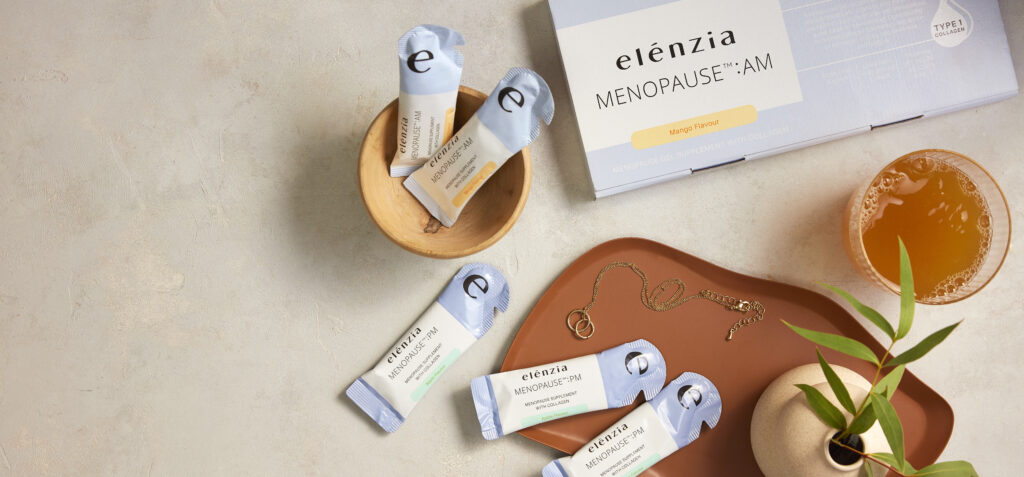
    This is where elénzia’s approach stands out. We believe in the power of supplements that have been rigorously researched and designed to support the body’s natural balance. As Elizabeth described in the interview, “we knew we needed to create a supplement in two parts. One part, MENOPAUSE: AM to address symptoms during the day; the other, MENOPAUSE: PM, to address symptoms throughout the night and promote restful sleep.”

    elénzia MENOPAUSE

    The Role of Self-Care and Wellness

    Beyond supplements, Elizabeth also touched on the importance of self-care and maintaining a balanced lifestyle to help manage menopause symptoms. At elénzia, we advocate for a holistic approach to wellness that includes mindfulness, proper nutrition, and quality rest. In her discussion, Elizabeth shared how incorporating these practices can help women feel more in control of their symptoms.

    She noted how “women have busy lives,” but “having an element of small, consistent self-care habits within your day – even just taking time for a relaxing evening bath – is really important for your overall health and wellness.”

    Join the Conversation

    If you haven’t yet, we encourage you to read the full interview with Elizabeth here. It’s a must-read for anyone interested in learning more about evidence-backed menopause care, and it offers valuable insights into how elénzia is shaping the future of women’s wellness.

    With Elizabeth’s discussion now reaching a wider audience, we’re hopeful that more women will feel empowered to take control of their menopause journey. Whether through our carefully formulated supplements or by adopting a holistic approach to self-care, elénzia is here to support women through every step of this transformative time.


    skin cancer awareness melanoma mole

    Joining the Fight Against Melanoma

    As we embrace the warmth of spring and eagerly anticipate the sun-kissed days of summer, it’s crucial to pause and reflect on the importance of protecting our skin. May marks Skin Cancer Awareness Month, a time dedicated to raising awareness about the risks of melanoma and the steps we can take to prevent it.

    In the wake of alarming statistics unveiled by the ‘2020 Melanoma Skin Cancer Report: Stemming The Global Epidemic,’ it’s clear that action is urgently needed. This report highlights three crucial battlegrounds in our fight against melanoma: enhancing public awareness of risk factors, reducing intentional tanning, and fostering regular skin self-examination.

    What’s truly concerning is the disparity between knowledge and action revealed by third-party research. While a staggering 92% of people acknowledge the dangers of sun exposure, only 18% consistently protect their skin. Moreover, the allure of tanned skin remains strong, with 61% believing it to be attractive, despite the stark reality that melanoma poses.

    At elénzia, co-founded by Elizabeth, a melanoma survivor who understands the gravity of this disease firsthand, we are committed to bridging this gap between knowledge and action. Elizabeth’s personal journey has inspired us to develop elénzia SKIN™ – a supplement that not only nurtures the skin from within but also shields it from external aggressors like free radicals and sun damage.

    In partnership with skincare innovators Endor Technologies®, whose anti-ageing range stems from oncology research, we are proud to offer solutions beyond traditional skincare. Our collaboration fuses the power of nutrition and topical treatments, providing a holistic approach to skin health. Together, we aim to dismantle unhealthy beauty trends and replace them with a culture of sun-safe practices and self-care.

    As we navigate through Skin Cancer Awareness Month and beyond, remember that our skin is more than just a canvas for beauty; it’s a vital organ deserving of our utmost care and protection. Join us in the fight against melanoma, because together, we can make a difference and ensure a brighter, healthier future for all.

    collagen banking

    Collagen Banking – A New Phenomenon?

    In the pursuit of ageless beauty, we’re continuously seeking innovative solutions to combat the signs of ageing. As science progresses, a new trend has emerged – collagen banking. This revolutionary approach targets mature skin, offering a proactive strategy to preserve youth and vitality. Today, we delve into the intricacies to explore its synergy with nutrition and skincare, and how it can redefine the ageing process.

    Understanding Collagen Banking

    Collagen, the most abundant protein in the human body, is the cornerstone of youthful skin, providing structure, elasticity, and firmness. However, as we age, collagen production declines, leading to wrinkles, sagging skin, and dullness. Collagen banking, a concept gaining traction in the beauty industry, aims to preserve and augment collagen levels before visible signs of ageing emerge.

    The Science

    At its core, collagen banking operates on the principle of ‘saving up‘ collagen reserves during youth to delay the onset of age-related changes. This involves adopting a holistic approach that combines targeted nutrition and skincare practices to optimise collagen synthesis and minimise collagen degradation.

    Nutrition
    A well-balanced diet rich in collagen-boosting nutrients is paramount for collagen banking. Incorporating foods abundant in vitamin C, such as citrus fruits and bell peppers, aids in collagen synthesis by promoting the production of pro-collagen, the precursor to collagen. Additionally, collagen-rich sources like bone broth, fish, and leafy greens provide essential amino acids necessary for collagen production, while antioxidants combat oxidative stress, a major contributor to collagen breakdown.

    Our elénzia SKIN™ supplement uses grapefruit and rosemary polyphenol extracts, clinically proven to help protect the skin’s internal layers through their ability to actively reduce the negative breakdown on the fatty acids within skin cells caused by the impact of UV radiation.

    Skincare
    Complementing nutrition, a tailored skincare regimen is indispensable for collagen banking. The Endor Technologies® skincare range uses the power of Nano Gold Technology, a patented ingredient designed to target CD44 cell receptors to amplify the growth of essential components like hyaluronic acid, collagen, and elastin within the skin.

    Moreover, this anti-ageing range includes sunscreens fortified with broad-spectrum protection, safeguarding collagen integrity against UV-induced damage to prevent collagen degradation and premature ageing.

    Collagen Banking in Practice

    As the beauty industry continues to evolve, collagen banking emerges as a game-changing trend for anyone seeking age-defying solutions. By harnessing the power of nutrition and skincare, you can embark on a journey towards timeless beauty, preserving collagen reserves and embracing the grace of ageing with confidence. Remember, the key to unlocking timeless beauty lies within – nourish your body, nurture your skin, and embrace the journey of ageing gracefully.

    vera doing yoga wellness

    In Conversation With Vera Duse

    Vera is a dedicated health professional with a multifaceted background. Beginning her career as a nurse, she soon recognised the limitations of traditional Western medicine in preventing diseases and promoting overall wellbeing. Driven by her passion for holistic health, she pursued training as a Nutritional Therapist and Yoga teacher. Vera believes in addressing the root causes of illness through personalised, naturopathic approaches that integrate nutrition, lifestyle, and mindfulness. Drawing from her nursing experience, she emphasises the profound impact of lifestyle choices on health outcomes. Through her practise, Vera aims to empower individuals to take charge of their health, offering tailored guidance and Hatha yoga classes designed to foster self-awareness and vitality. Her ultimate mission is to accompany others on a journey toward enhanced well-being and a fulfilling life.

    As someone deeply engaged in holistic health practises, how do you personally define “healthy ageing”, and what role does nutrition play in this journey?

    People often tend to blame their age for their poor health or their “aches and pains” but the truth is that healthy ageing is possible, and to me, it means being able to maintain the maximum level of functionality of our body and mind over the years. Health does not only mean the absence of disease but to have abundant vitality and feeling “in love” with life at any age.

    This can be achieved, by following a healthy lifestyle that incorporates holistic practices like yoga and meditation, looking after our gut health, avoiding too much stress, exercising in moderation, prioritising sleep and doing more of what we love. Most importantly, nutrition plays a huge role in healthy ageing as by changing what you eat every day we can literally “bio-hack” our metabolism and achieve maximum health, versus driving disease through eating inflammatory foods.

    One example of this is the impact that an anti-inflammatory, low-carb diet can have on keeping us free from disease or even reversing typical “age-related” illnesses like diabetes, osteoarthritis, or high blood pressure.

    How has your expertise in yoga and nutrition intersected in supporting individuals through the phases of menstruation and menopause, promoting both physical and emotional well-being?

    Our menstrual cycle is at the centre of women’s health and often ignore it. Each phase of the menstrual cycle (follicular, ovulation, luteal and menstruation) has a peculiar set of nutritional and movement-related needs that can allow us to navigate the cycle a lot better, avoiding the typical pre-menstrual symptoms and achieving physical and emotional wellbeing. One example of that is – did you know that women need 200 extra calories a day during the two weeks before menstruation? Ensuring to add that extra bit of nutrition every day (1 handful of mixed nuts, one small sweet potato) can really help with managing the sugar cravings that are so characteristic of the luteal phase and avoid unhealthy sugar binges.

    Another example is how much more flexible we are in the second phase of the cycle because of the effects of progesterone on the ligaments. Knowing this allows me to advise my yoga students during that phase to not stretch “too deep” and avoid injuries.

    Menopause has a totally different set of needs as well and it’s important to know where we are in our reproductive life phase so that we can act accordingly and prevent any health problems arising. Gut issues seem to be increasingly common nowadays.

    What are some common signs or symptoms that indicate someone may be experiencing gut imbalances and how do you incorporate mindfulness and relaxation techniques into your practice to help alleviate these?

    Any digestive problem is an indication that something might be wrong with your gut. Digestion should be easy and painless, and we should be able to tolerate a vast variety of foods without developing any gastrointestinal issues. When we experience bloating, erratic bowel habits, cramps or stomach burning, it’s a sign that our gut flora might be out of balance, that we might not be absorbing food very well and perhaps we have low stomach acid or inflammation in our gut.

    Changing our diet is the first step in the process towards healing but it is not all – our nervous system also plays a huge part in allowing us to digest food properly! I often find that my clients are stuck in the “fight or flight” sympathetic part of the nervous system due to excessive amounts of stress, overworking culture or the presence of past trauma. When we are in fight or flight, the brain sends a message to the gut to “turn off” digestion as we don’t need it to survive. Over time, this leads to several digestive problems and is the reason why I often incorporate exercises to return clients back into the “rest and digest” parasympathetic state – the part of our nervous system where we feel safe enough to perform non-survival functions like secreting stomach acid and beginning digestion.

    I often advise people to practice diaphragmatic breathing, yoga, or other relaxation techniques daily so that they can shift their “fight or flight” state to a “rest and digest” state and allow gut healing to take
    place. Digestion and our nervous system are so interconnected that without relaxation, any dietary advice alone won’t work.

    Could you share some favourite recipes or dietary tips that you recommend to your clients for supporting hormonal balance and their gut?

    One of the most important things when it comes to supporting our hormones, is to begin the day with a sugar-balancing breakfast rich in fat, protein and fibre. I have come up with this delicious sugar-balancing smoothie when looking for a recipe that would keep me energised throughout the morning and at the same time feed my gut microbiome and be easy to digest.

    The yoghurt in this smoothie acts as a source of fat, slowing down the absorption of sugar and nourishing the hormones as well as replenishing the gut flora with the anti-inflammatory “good” bacteria Lactobacillus. Bananas contain a type of fibre called inulin that feeds those same bacteria, keeping your gut healthy. The berries are rich in antioxidants and the walnuts are a good source of protein. The seeds can be changed following the “seed cycling” method if you are still menstruating: flaxseeds and pumpkin seeds in the follicular phase and sesame and sunflower in the luteal phase. Each set of seeds contains the nutrients we need to nourish that particular phase of our cycle.

    For 2 people:
    2 bananas
    1 big handful of walnuts
    1 tbsp of flaxseeds
    1 tsp of chia seeds (optional)
    3 tbsp of full-fat natural yogurt
    ½ glass of plant milk of your choice
    1 handful of blueberries/raspberries

    And, for women who are going through the menopause, the elénzia MENOPAUSE™: AM menopause sachets are an incredibly nutritious addition to give sustenance in a busy morning and reduce some of the difficult symptoms that might appear in that phase, such as hot flushes.

    In your experience, what are some common misconceptions or myths about menopause and healthy
    ageing that you often encounter, and how do you address them through your work as a nutritional therapist, yoga teacher, and menstruality mentor?

    Often people think that going through the menopause is going to be this incredibly unpleasant experience and they feel scared about it. The same misconceptions can be applied to ageing as often people think that illness is going to be unavoidable in our old age. As a holistic health practitioner, I know that this is not true and that when you put yourself at the forefront of your worries and pay attention to your diet, movement, mental wellbeing and your cycle, there is no reason why menopause and ageing should be a difficult experience. Of course, this requires shifting your priorities at the same time.

    As women, we are compassion experts, but we are not very good at self-compassion. If we understand the importance of taking care of ourselves to avoid illness, then we can change things around us and make arrangements to make this journey very easy. It all starts with putting ourselves first.

    Finally, what advice do you have for individuals looking to improve their gut health and overall well-being through a holistic approach encompassing yoga, nutrition, and menstrual awareness?

    To support your gut health and overall well-being, one of the most important things (nutritionally speaking) is to keep processed food and sugar to a minimum. These foods often drive inflammation – which eventually speeds up ageing. Follow a diet that is prevalently plant-based but with plenty of oily fish for its wonderful anti-inflammatory properties, Plenty of leafy greens, and maintain a good variety of vegetables and fruit — eating all the colours of the rainbow.

    I would advise everyone to regularly practice a discipline that allows them to rebalance their nervous system and spend more time in that “rest and digest” state as opposed to “fight and flight” such as many different types of yoga, breathing exercises and meditation. We need to bring some form of yoga into our lives to ensure healthy ageing – and not just for the benefit of the mind but also to maintain a well-functioning body.

    In terms of being in tune with our menstrual cycle, practising menstrual cycle awareness is the first step: being aware of which phase of the cycle you are in and scheduling your life around it. For example, we might feel more social around ovulation and we may want to retreat during menstruation – remember that, mark your cycle on your diary and know when to say yes to social events and when to decline and opt for a snuggly night in. These simple changes can have a huge impact on our well-being.

    When approaching menopause, you almost need a full clear-out of your schedule. In that case, making others around you, especially your family, aware of what is going on for you, would allow you to be fully supported to spend as much time for yourself as you need. I believe that healthy ageing is possible when we put ourselves and our health first!

    Where to find Vera:

    Official Website | Instagram

    Continue reading

    stress and health sickness

    How Stress Could Be Making You Sick

    In the hustle and bustle of modern life, stress seems to be an unavoidable companion for many of us. From juggling work responsibilities to managing family commitments and everything in between, it’s easy to feel overwhelmed. But what if I told you that stress might be doing more than just making you feel frazzled? What if it’s actually impacting your health, especially us mature women?

    Our bodies undergo various changes as we age, and our ability to cope with stress may diminish. What once seemed like manageable stressors in our younger years can now take a toll on our overall wellbeing. This is because stress doesn’t just affect our mental state; it can also manifest physically, leading to a range of health issues.

    Understanding the Stress Response

    Before delving into how stress impacts health, let’s take a moment to understand how the body responds to stress. When faced with a stressful situation, the body goes into “fight or flight” mode. This triggers a cascade of physiological responses, including the release of stress hormones like cortisol and adrenaline.

    In the short term, this stress response can be helpful, preparing us to deal with the immediate threat. However, when stress becomes chronic or ongoing, these constant surges of stress hormones can wreak havoc on our health.

    The Impact of Chronic Stress on Health

    Chronic stress can contribute to a host of health problems, both physical and mental. Here are some ways in which stress may be making you sick and how we can help tackle them:

    Weakened Immune System

    Chronic stress has been linked to a weakened immune system, making you more susceptible to infections and illnesses. As we age, maintaining a robust immune system becomes increasingly important for warding off diseases.

    What to use: elénzia IMMUNITY™ for targeted immune support.

    Digestive Problems

    Stress can put a strain on your digestive system, leading to issues like irritable bowel syndrome (IBS), acid reflux, and ulcers. These problems can be particularly troublesome for mature women, as digestive issues tend to become more common with age.

    What to use: elénzia PROTEIN™ for a clean, easily digestible source of protein.

    Hormonal Imbalance

    Stress can disrupt the delicate balance of hormones in the body, exacerbating symptoms of menopause and potentially leading to hormonal imbalances. This can contribute to mood swings, hot flashes, and other unpleasant symptoms.

    What to use: elénzia MENOPAUSE™ for support during every stage of menopause.

    Mental Health Concerns

    Last but not least, chronic stress can take a toll on your mental health, increasing the risk of anxiety, depression, and cognitive decline. For mature women already navigating the complexities of life transitions, such as retirement or empty nesting, managing stress is essential for maintaining overall wellbeing.

    What to use: elénzia ENHANCE™ for cognitive function and mental wellbeing.

    Managing Stress for Better Health

    Given the significant impact that stress can have on health, it’s crucial to take proactive steps to manage stress effectively. While it may not be possible to eliminate stress, there are strategies you can employ to reduce its impact:

    Practise Stress-Relief Techniques: Incorporate stress-relief techniques into your daily routine, such as deep breathing exercises, meditation, yoga, or tai chi. These practices can help calm the mind and relax the body, promoting a sense of inner peace.

    Prioritise Self-Care: Make time for self-care activities that bring you joy and relaxation, whether it’s indulging in a warm bath, taking a nature walk, or curling up with a good book. Remember that self-care is not selfish; it’s essential for maintaining your health and wellbeing.

    Stay Active: Regular physical activity is a powerful antidote to stress, releasing feel-good endorphins and promoting overall health. Find activities that you enjoy, whether it’s dancing, swimming, or gardening, and make them a regular part of your routine.

    Connect with Others: Social support is crucial for coping with stress, so make an effort to connect with friends, family, and loved ones regularly. Whether it’s sharing a laugh over coffee or confiding in a trusted friend, nurturing your social connections can help buffer the effects of stress.


    In conclusion, while stress may be an inevitable part of life, it doesn’t have to rule your health and wellbeing. By understanding the impact of stress on your body and implementing effective stress management strategies, you can empower yourself to lead a happier, healthier life. Remember, your health is your greatest asset, so make stress management a priority. After all, a little self-care goes a long way towards keeping stress at bay and ensuring that you thrive, no matter what life throws your way.