Category Archives: Conversations

Menopause Uncovered: Real Stories, Honest Advice, and What No One Talks About

Menopause is a natural stage of life, yet for many women, it can feel like a reset button that they didn’t ask for. From physical changes and fluctuating energy levels to mental health challenges, navigating this transition can feel overwhelming, especially when conversations are limited.

At elénzia, menopause awareness is something close to our hearts. We wanted to create a space for meaningful conversation and provide menopause support through shared experiences rather than medical advice.

We approached four remarkable women, each from different careers and backgrounds but all facing the same challenges. We spoke to Dr Megha Dhavale, GP and public speaker, Jackie Lynch, menopause nutritionist and author, Louise Pitman, yoga teacher, and Katie Taylor, business owner and podcaster. Each brought unique experiences and insights to the discussion, highlighting both the physical and mental health challenges women face and the need for better understanding and support.

How Often Should We Talk About Menopause?

Although menopause is now part of more general conversation, many women still find themselves wondering how often they should talk about it and with whom. When we asked our guests, their replies were refreshingly honest. They speak about menopause “all the time”. Whether it comes up at home, at work or in conversations with close friends, each of them emphasised how important openness has been.

Because these conversations can still feel awkward or stigmatised, Dr Megha Dhavale encouraged women to “talk to anyone that is willing to listen”. For women, speaking openly is not only reassuring but also a way to prevent experiences from being dismissed, whether by healthcare professionals or by peers.

Sharing her own frustration, Katie Taylor shared that after feeling overlooked by her doctor, she was “angry that nobody put two and two together”.  She also opened up to us about how isolating the experience can be when symptoms are missed or misunderstood. Normalising these discussions is essential, and Katie now encourages women to speak up to help ensure earlier recognition of symptoms so that they feel heard and supported.

What Advice Helps Women Going Through Menopause?

Advice for women experiencing menopause can often feel overwhelming, particularly when it comes from someone who has not been through it themselves. As Dr Megha Dhavale reminded us, “everyone will have their own unique experience”, yet shared understanding can be incredibly empowering and reassuring.

In our film, Jackie Lynch offered a wealth of nutrition guidance to help women support their bodies from the inside out. She explained how specific vitamins and minerals can make a genuine difference during this phase of life and encouraged women to see food as a valuable tool rather than an added pressure.

Louise Pitman offered a similar perspective, encouraging women to listen closely to their bodies. “You should listen to your body when she is telling you what she needs,” she shared. From her holistic perspective, movement plays an important role in emotional and physical wellbeing. She encouraged women to explore gentle forms of exercise such as swimming and yoga, both of which can help calm the nervous system. With mood swings, anxiety and sleep disturbances being so common, small adjustments to daily routines can have a surprisingly positive impact.

What stood out most from each conversation was that the most valuable advice is rarely complicated. It centres on listening, validating experiences and exchanging ideas that have helped others. Whether this means trying relaxation techniques, creating new self-care rituals or simply talking to someone who understands, support can make a profound difference.
Menopause may be a personal journey, but it becomes far more manageable when women share their stories and uplift one another.

What Lifestyle Changes Can You Expect?

Menopause can introduce a wide range of changes, touching everything from sleep and energy levels to weight, digestion and emotional wellbeing. Many people are familiar with symptoms such as hot flushes and night sweats, but others are talked about far less often. Sudden mood swings, nausea, a drop in confidence or feeling unlike yourself can take women by surprise. Some symptoms are less common, yet they can be deeply affecting if they are not recognised and supported early.

In our conversation, Katie Taylor spoke openly about how dramatically her perimenopause affected her mental health. She described feeling “like a nuisance and a bit of a fraud”, emotions that grew more intense as her symptoms went unacknowledged. At one point, she became so overwhelmed that she wrote a letter to her children in case anything happened to her. Her experience was shaped by feeling dismissed by her doctor, an issue that far too many women still face.

Dr Dhavale highlighted this pattern as well, explaining that many of her patients have told her they felt “fobbed off” when seeking help. For some, the emotional and physical changes arrive unexpectedly, which can create a real shock to the system and lead to a significant loss of confidence.

Recognising these shifts, even the ones that are less talked about, can make an enormous difference. Awareness allows women to adjust routines, prioritise self-care and understand that what they are feeling is valid. For those in perimenopause, identifying symptoms such as irregular periods or disrupted sleep, and knowing the typical age range for these changes, can bring reassurance and a sense of control during this transition.

How Can Partners and Family Provide Support?

Support from partners, family and friends can make a profound difference during menopause, yet it is not always easy to understand what a loved one is experiencing.

Louise Pitman offered a particularly thoughtful perspective, encouraging families and friends to truly “listen… that person may not know why they feel like laughing one minute and screaming the next”. Her words remind us that compassion often begins with simply being present and accepting that emotions may shift without clear explanation.

Small gestures can also go a long way. Checking in regularly, attending appointments together or creating a space for honest conversation can be genuinely transformative. The most meaningful advice for partners tends to focus on patience, open communication and recognising both the emotional and physical challenges involved.

When support is rooted in understanding rather than assumptions, it becomes easier for women to feel seen, heard and cared for throughout their menopause journey.

How Do You Know When Menopause Starts?

Menopause does not have a set starting point. For some women, the early signs may appear in the late-30s, while for others, it happens later. The uncertainty can make the experience even more confusing.
Louise shared her own moment of realisation, explaining, “I knew that I was at the age of when it perhaps would be, but I wasn’t sure what it was”. Many women feel the same sense of uncertainty because symptoms rarely appear in a neat, predictable order.
Jackie highlighted this confusion too. “What little I knew about menopause was that periods were meant to get lighter and shorter and not heavier and further apart,” she told us. Her experience is a reminder that many women enter perimenopause with only a limited understanding of what to expect.
Some of the earliest signs can include irregular periods, changes in sleep, mood shifts and fluctuations in energy levels. While these symptoms can be unsettling, recognising them for what they are can be incredibly reassuring.
Understanding the early stages of menopause makes it easier for women to seek support, adjust routines and approach the transition with more confidence. It also encourages more open conversations with healthcare professionals, friends and family, helping to build a stronger network of support around them.

Why We Spoke Out

At elénzia, menopause awareness is something that is truly close to our hearts. We chose to speak out because awareness can always be deeper, broader and more inclusive. Menopause affects every woman differently, but one thing is universal: no woman should navigate it alone.
Menopause is a natural stage of life, and with awareness, conversation and connection, it can be approached with confidence, understanding and care. Yet many women still struggle in silence, whether it is managing symptoms, finding someone to talk to about their experiences or accessing the support they need.
In creating our recent film, every participant agreed on one thing: women’s health research needs to improve significantly. By sharing these stories, we hope to foster a culture where menopause can be discussed openly, without stigma, embarrassment or fear. Whether it is offering advice, recognising perimenopause symptoms or simply being present to listen, there are ways to support women through this important stage of life every day.

Watch Our Episodes:

Episode 1 – Starting the Conversation
Discover why talking about menopause matters and hear first-hand experiences of breaking the silence.

Episode 2 – Support and Advice for women and family
Learn how to communicate with your inner circle about what you are going through and how you can combat those feelings.

Episode 3 – Empowerment & Women’s Health in Society 
Gain insights into women’s health research, understand the gaps that exist, and find out what steps can be taken to create meaningful change.

The Realities of GLP-1 Weight Loss Medications

Glucagon-like peptide-1 receptor agonists (GLP-1 RAs) like Ozempic, Wegovy and Mounjaro mimic a natural hormone that regulates appetite, insulin, and blood sugar, helping people feel full faster and eat less. These drugs have taken the UK by storm. Celebrities rave about them, and social media is flooded with “before and after” transformations. But beneath the hype, a darker reality lurks. While GLP-1 RAs are increasingly used for weight management, emerging data highlight potential risks that warrant closer scrutiny. Current evidence suggests these medications may pose greater challenges than initially anticipated, particularly when used outside approved guidelines.

The Quick Fix Trap

We’ve all been there: scrolling through Instagram, seeing someone’s jaw-dropping weight loss, and wondering, “Is this the answer I’ve been searching for?” But what if the solution to your weight struggles could become a nightmare? These injections aren’t just about shedding pounds—they’re linked to serious health risks that demand attention.

Gastrointestinal Chaos: More Than Just Nausea

The most commonly reported side effects of GLP1-medications are gastrointestinal, including nausea, vomiting, diarrhoea, constipation, and abdominal pain (WebMD, 2024). These symptoms are usually mild to moderate and tend to decrease over time, but in some cases, they can lead to severe dehydration, kidney stones, and even gallbladder disorders which require medical attention (WebMD, 2024). The MHRA has reported a 46% surge in hospitalisations for adverse reactions, including cases where patients collapsed from dehydration or organ stress (MHRA, 2024). Gastrointestinal symptoms like nausea and diarrhoea affect up to 50% of users, with most experiencing mild to moderate episodes that diminish over time (PMC, 2015).  Imagine feeling like your body is “at war” with itself—this is the reality for many users. One user on Drugs.com wrote: ”I was nauseous the whole 5 months when I was on it. I had three attacks of non-stop vomiting and the last attack I collapsed 4 times and passed out… it did not agree with me, so I stopped.” This is a grim picture.

Pancreatitis Risk: Understanding the Potential Concerns

Fever, vomiting, and a tender abdomen—these are the hallmarks of pancreatitis, a severe inflammation of the pancreas. According to the MHRA, this condition affects 1 in 100 to 1 in 10,000 users, depending on the medication (MHRA, 2024). While rare, it’s a life-threatening emergency that often requires hospitalization. A pooled analysis of clinical trials found a slightly elevated risk of pancreatitis in GLP-1 injection users compared to other anti-diabetic drugs (PMC, 2015).

Misuse and Dependency

The UK’s ‘quick fix’ culture has led to dangerous habits. Patients ‘microdose’ to indulge in festive feasts, unaware that abrupt changes can spike pancreatitis risk. Others use unregulated online pharmacies, risking counterfeit products or improper dosing. According to the latest data from the UK’s Medicines and Healthcare Products Regulatory Agency (MHRA), as of January 31, 2025, there have been 82 deaths linked to adverse reactions associated with GLP-1 RAs in the UK, with many cases involving off-label use for weight loss alone (BMJ 2025)

Long-Term Risks: Beyond the Scale

While GLP-1 RAs curb appetite, they disrupt natural metabolic processes. Studies reveal a 30% higher risk of nausea/vomiting with long-term use (PMC, 2015). But the problem is, we still don’t fully understand their long-term effects. Most trials span just a few years, leaving unanswered questions about decades of use. Could chronic inflammation or metabolic imbalances emerge? Only time—and more research—will tell.

Ozempic Face and Muscle Loss

While these injections work wonders for your waistline, they can wreak havoc on your face. “Ozempic face” is a growing concern: rapid weight loss can leave your face gaunt, hollow, and prematurely aged. As you rapidly shed fat, your skin may not bounce back, leading to sagging, wrinkles, and a sunken appearance. A recent scientific roundtable revealed that participants in clinical trials using GLP-1 agonists lost 10% or more of their muscle mass during the 68–72-week interventions. To put that in perspective, that’s about the same muscle loss you’d expect from 20 years of aging. While the GLP-1 drugs themselves might have some beneficial effects on muscle, the drastic calorie restriction they induce seems to outweigh those benefits, leading to a net loss of precious muscle tissue (Mechanick et al. 2025).

Straining the NHS: A Systemic Problem

The surge in demand has stretched healthcare resources. There have been reports of hospitalisations related to adverse reactions, with more than 500 cases documented in the UK as of early 2025, diverting attention from sustainable obesity solutions (Pharmaceutical Journal 2025). Meanwhile, shortages for diabetes patients highlight ethical concerns about prioritising cosmetic weight loss over critical medical needs.

From Quick Fixes to Long-Term Health

Here’s the harsh truth: weight loss isn’t just about a needle. It’s about holistic health improvement: building healthy habits, nourishing your body, and moving your body. These injections might offer a temporary fix, but they don’t address the underlying issues. Without those fundamental changes, you’re likely to end up right back where you started. Also, before considering pharmaceutical interventions, it’s essential to do your own research, consult with healthcare professionals, and explore all available options. This might involve investigating natural alternatives to GLP-1, like elénzia CONTROL®, focusing on dietary changes, incorporating regular physical activity, and addressing any underlying emotional or psychological factors that contribute to unhealthy habits. By taking a holistic and informed approach, you can pave the way for long-term well-being and avoid the potential pitfalls of relying solely on medications.

The Bottom Line

GLP-1 injections offer short-term results but carry long-term risks that could overwhelm the NHS and harm public health. While they may help some, their widespread misuse and hidden dangers make them a risky gamble. For lasting change, we need to prioritise holistic solutions—not quick fixes.

Real Results: What Happened When People Tried elénzia CONTROL® for 4 Weeks?

At elénzia, we believe wellness should work with your body – not against it. That’s why we developed elénzia CONTROL®: a next-generation supplement designed to naturally support appetite regulation, reduce sugar cravings, and help balance blood sugar – all without the need for prescription drugs.

To put it to the test, we invited a group of people to trial CONTROL® for four weeks and even we were blown away by the results.

What is CONTROL®?

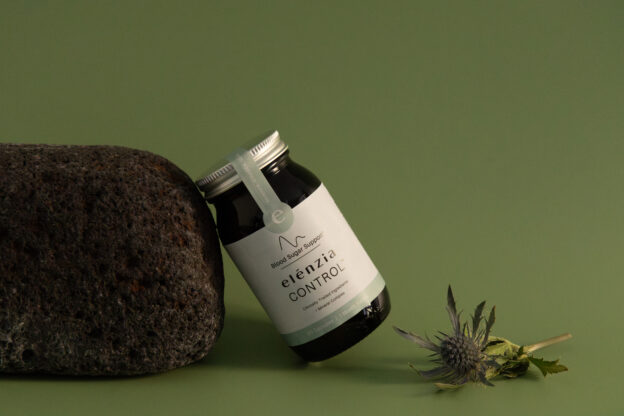
elénzia CONTROL® is a daily supplement formulated with a powerful blend of natural ingredients with clinical trials that work holistically to support metabolic health. At the core is Eriomin®, a citrus flavonoid clinically shown to boost your body’s natural GLP-1 production, the same hormone mimicked by weight loss injections like Ozempic and Mounjaro.

The CONTROL® Consumer Trial: What We Did

Participants: 19 men and women, aged 18–60

Trial Length: 4 weeks

Data Collection: Pre and post-trial questionnaires, Likert-scale ratings (1–10) and open feedback.

Focus Areas: Appetite, sugar cravings, energy levels, mood, sleep, concentration and overall well-being

1-Week Check-In: The Early Wins

After just one week, participants reported noticeable improvements:

79% experienced a reduced appetite

74% saw fewer sugar cravings

68% felt less hungry between meals

74% reported higher energy levels

47% felt more emotionally balanced

Final Results After 4 Weeks

Behavioural Improvements

100% saw a reduction in sugar cravings

95% noticed fewer mid-afternoon energy crashes

95% reported stronger appetite control

89% slept better

84% said they’d continue using CONTROL® long-term

Ratings That Speak for Themselves

Average self-reported improvements (out of 10):

Energy levels: 8 vs. 5.5

Mood stability: 7.5 vs. 5

Appetite control: 8.5 vs. 4.5

Overall well-being: 8 vs. 6.5

Symptoms like mood swings, hunger between meals, and “hanger” were also significantly reduced.

What People Said

“CONTROL® erased 85% of my sugar cravings.”

“I’ve never felt so balanced – it’s been life-changing for my PCOS and thyroid symptoms.”

“It gave me sustained energy throughout the day without crashes.”

“I lost 4lbs without changing anything else. I was shocked at how well it worked.”

“Alongside some food tweaks, CONTROL® helped me go from prediabetic to healthy blood sugar levels.”

And just as importantly, several participants described it as easy to fit into their routine and a great alternative to other methods. No serious side effects were reported, with only one person experienced mild indigestion.

Why It Matters

CONTROL® is more than a supplement – it’s a more holistic way to support metabolic health. Unlike short-term fixes or aggressive pharmaceuticals, it delivers gentle yet effective support for those navigating:

PCOS and hormonal imbalance

Blood sugar crashes and carb cravings

Menopause-related mood swings and weight gain

The desire to feel more in control of their health naturally

Ready to see what CONTROL® could do for you?

Shop CONTROL® now and get 15% off your first purchase with code NEWCONTROL (offer ends April 30th).

Beyond the Ozempic Hype: Why elénzia CONTROL® Is a Safer, Long-Term Solution for Weight Loss and Blood Sugar Management.

I still remember the day I first heard about Ozempic®. It was early last year, during one of my routine laser hair removal sessions. As I lay there, my aesthetician casually mentioned this new “miracle” weight loss treatment. Her enthusiasm was contagious, but I couldn’t help feeling sceptical. It sounded too good to be true.

Over the next few months, Ozempic seemed to be everywhere—in conversations, on social media, splashed across magazine covers. I found myself torn between curiosity and caution. Could this injection really be the answer so many were seeking? Or was there a better, more sustainable alternative to Ozempic? That’s when I decided to dig deeper, to look beyond the hype and find out what was really going on with our bodies, our weight and our relationship with quick fixes.

The Risks of Ozempic for Weight Loss

Meet Sarah, a 45-year-old mother of two who tried every diet under the sun. “I was desperate,” she wrote on Reddit. “Ozempic seemed like the answer to my prayers. But the side effects were brutal. I felt nauseous constantly, and the thought of regaining all the weight once I stopped was terrifying.”

Sarah’s not alone. While Ozempic can deliver impressive results, it comes with a hefty price tag – both financially and physically. Common side effects include nausea, vomiting and diarrhoea. More alarmingly, there are risks of pancreatitis, gall bladder disorders and muscle loss. And let’s not forget the ethical dilemma: as Ozempic’s popularity for cosmetic weight loss soars, people with type 2 diabetes who truly need it face shortages.

But what if there was a way to naturally boost GLP-1 without the risks?

The Natural Alternative: How elénzia CONTROL® Works

At the heart of elénzia CONTROL® is Eriomin®, a clinically studied blend of lemon flavonoids that boosts your body’s own natural production of GLP-1 – the same hormone Ozempic mimics. It’s like teaching your body to fish, instead of just giving it fish. This begs the question, what happens when we stop giving the body fish? Studies have shown that patients regained around 66% of their weight, which was mostly fat nearly 16 months after Ozempic use. Why go through the burden of losing it only to gain it all back? It’s interesting to note that that unlike synthetic drugs, Eriomin® doesn’t mask symptoms; it addresses the root causes of weight gain and blood sugar imbalances.

The results speak for themselves. In a 12-week study, Eriomin® reduced fasting blood glucose by 5% – rivalling the effects of metformin, a common diabetes medication. Even more impressive, 24% of prediabetic participants returned to normal blood sugar levels, without changing their lifestyle!

But elénzia CONTROL® doesn’t stop there. It’s a holistic powerhouse, combining Eriomin® with Bitter Melon extract (a traditional remedy for diabetes and weight loss), Siliphos® (a liver-supporting milk thistle extract) and an essential mineral blend for supporting thyroid hormone production. This unique blend targets oxidative stress and inflammation, key causes of insulin resistance, as well as optimising liver function, thyroid hormone production and gut microbiome composition – all crucial factors in sustainable weight management. Read more on the science behind CONTROL® here.

Real People, Real Results

“I have never felt so balanced,” admits a 46-year-old female user, who has struggled with PCOS and thyroid issues for 30 years. “I’ve never received any medical help for my menopause symptoms, like weight, sleeping problems or mood swings and I can say these supplements have made me the calmest I have felt. Since taking CONTROL® for 4 weeks now, I have lost 4lbs and I am so pleased. I haven’t been experiencing any sugar cravings or feel the need to snack. I am shocked at how well they have worked so quickly.”

Why Choose elénzia CONTROL® Over Ozempic?

• It’s gentler on your body, working with your natural processes
• It addresses the underlying causes of weight gain, not just the symptoms
• It increases your feeling of fullness and helps reduce sugar cravings
• It supports overall health, from gut to liver function
• It empowers you to make lasting lifestyle changes, rather than relying on a medication

The journey to better health isn’t a sprint; it’s a marathon. elénzia CONTROL® offers a sustainable path to reaching your goals, without the rollercoaster of side effects or the fear of rebound weight gain.

Are you ready to take control of your health, naturally? Try elénzia CONTROL® – your natural solution for weight loss & blood sugar balance. Your body will thank you for it.

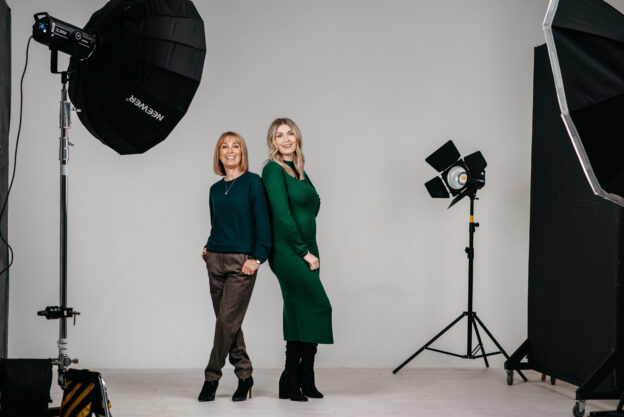
elénzia founders Elizabeth Court & Helen Cartlidge

Empowering Women Through Evidence-Based Menopause Care

At elénzia, we’ve always believed in the power of clinically backed wellness solutions, and we’re excited to see these values reflected in an important conversation on menopause care. As part of World Menopause Day, our co-founder, Elizabeth, recently sat down with The Guardian to discuss how women can be empowered with evidence-based care during the menopause. This interview reinforced the importance of creating research-driven options for women during this significant life stage.

The Importance of Evidence-Based Menopause Care

Menopause is a natural phase of life, but it’s one that often brings significant physical and emotional challenges. Many women experience symptoms such as hot flushes, brain fog, fatigue, mood swings, and sleep disturbances. Despite this, access to clear, effective support is often limited, with many women left to navigate their symptoms with little guidance. This is where elénzia aims to make a difference.

In her interview with The Guardian, Elizabeth emphasised the need for more efficacious menopause care. “We knew that evidence-backed, targeted ingredients — proven to work through clinical trials — were out there. We wanted to use these to create products with science, efficacy and wellness at their heart.” Elizabeth explained.

Providing Alternatives to Traditional Treatments

One of the key points in Elizabeth’s discussion was the need for alternatives to traditional treatments such as hormone replacement therapy (HRT). While HRT can be a highly effective treatment for some women, it isn’t suitable for everyone. Many women either can’t or prefer not to take hormones, making non-hormonal alternatives essential.

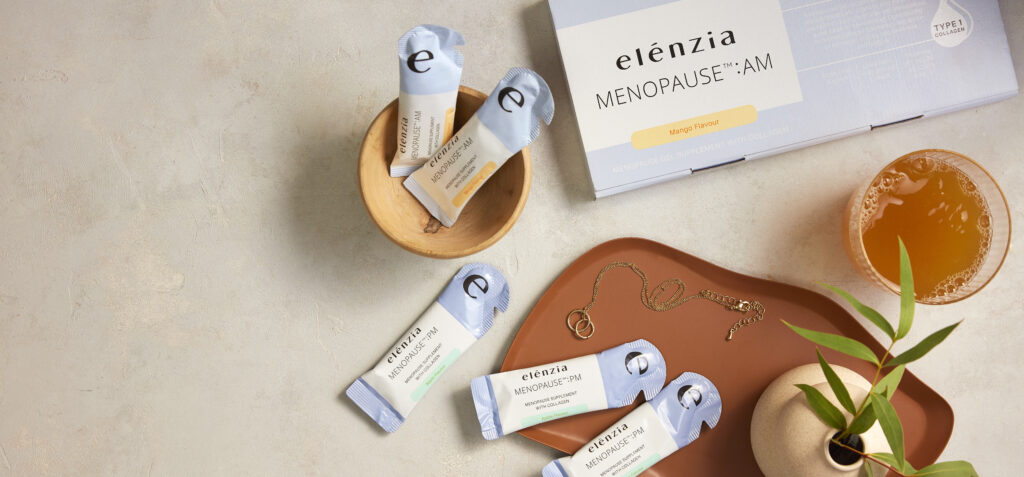
This is where elénzia’s approach stands out. We believe in the power of supplements that have been rigorously researched and designed to support the body’s natural balance. As Elizabeth described in the interview, “we knew we needed to create a supplement in two parts. One part, MENOPAUSE: AM to address symptoms during the day; the other, MENOPAUSE: PM, to address symptoms throughout the night and promote restful sleep.”

elénzia MENOPAUSE

The Role of Self-Care and Wellness

Beyond supplements, Elizabeth also touched on the importance of self-care and maintaining a balanced lifestyle to help manage menopause symptoms. At elénzia, we advocate for a holistic approach to wellness that includes mindfulness, proper nutrition, and quality rest. In her discussion, Elizabeth shared how incorporating these practices can help women feel more in control of their symptoms.

She noted how “women have busy lives,” but “having an element of small, consistent self-care habits within your day – even just taking time for a relaxing evening bath – is really important for your overall health and wellness.”

Join the Conversation

If you haven’t yet, we encourage you to read the full interview with Elizabeth here. It’s a must-read for anyone interested in learning more about evidence-backed menopause care, and it offers valuable insights into how elénzia is shaping the future of women’s wellness.

With Elizabeth’s discussion now reaching a wider audience, we’re hopeful that more women will feel empowered to take control of their menopause journey. Whether through our carefully formulated supplements or by adopting a holistic approach to self-care, elénzia is here to support women through every step of this transformative time.


women's day elizabeth court co-founder of elenzia

In Conversation With Elizabeth, Co-Founder

From building a brand alongside her mother, elénzia’s co-founder Elizabeth found her passion in holistic wellness, specifically looking at health from a 360-degree perspective. In admiration of all powerful women, we catch a glimpse inside her life while balancing business, motherhood and health.

Your journey into skincare and wellness started with the loving care from your mother. Can you share a cherished memory or lesson about self-care that your mom passed down to you?

Growing up, and still to this day, my Mum has looked immaculate every single day. I can’t remember a day when I was younger when she didn’t spend the time to look after herself in the morning, even with 4 children! This has been my key lesson from her, to take the time to take care of yourself and do what makes you feel good. She also has amazing skin and spends a good half an hour each night on her skincare routine.

Reflecting on your journey with a melanoma diagnosis at a young age, what has shaped the approach you take towards healthy living? 

Being a mum and prioritising what matters to me. You never know what is going to happen in life and finding out I had a cancerous mole at the age of 24, despite never having been on a sunbed in my life, proves that. Therefore, you can’t live your life from the point of view of “what could happen to my health in the future, but you must determine what is important in life for you and your family, and understand what health and wellness changes you might need to make. For example, for me at this moment, immunity is a top priority. Not only am I pregnant, but I have a two-year-old son, so this winter I made sure to prioritise all my family’s immune health to protect each other and make sure our daily routines aren’t impacted by illness.

As a woman in your 30s, expecting a new addition to your family, has your perspective on nutrition and skincare evolved, and what practices do you find most essential for your wellbeing during this time? 

I think it’s evolved to finding what fits in with my daily routine, as opposed to having to change my daily routine to fit around a health or wellness goal. Skincare has remained an important element within my day-to-day and something that I value as part of my overall wellness. However, it can easily be one of the first things to fall by the wayside when you just want to take your make-up off and crawl into bed at the end of a long day. So, I try to keep my skincare routine as minimal but impactful as possible, as that’s what works for me. I combine key ingredients that I know work for my skin concerns and will make a difference – I’m currently using Endor Technologies® Pure Cleansing Milk, P-Biotic Toner, Eye Cream and Anti-Aging Cream, combined with The Ordinary’s Niacinamide and Zinc Serum (and of course an SPF for the day!).  

Short and long-term cognitive health is also something that is important. My Granny had Alzheimer’s for quite a while in her later life, therefore I know that it is something that could be genetic, so being aware of my long-term brain health and performance is something I’m conscious of… From a daily perspective, it’s not easy being a working mum – especially when functioning on 3 hours of sleep – that’s why I need to try and be as focused and productive as possible during the working day. The combination of these elements for cognitive health is actually the key reason elénzia ENHANCE™ was born!

How has your experience shaped the values and mission of elénzia, catering to the needs of women with similar challenges?

Being a full-time working mum has definitely shaped the vision of elénzia. Ultimately, it’s about products that work. No one wants to waste their time and money on trying a multitude of different skincare and nutrition products when they have a health need today that needs solving. That’s why we make sure that we spend that time ensuring that clinical trial data for our products and ingredients is truly going to maximise efficacy for our customers.  

We make sure that we put the thought, care and time into creating our products so that they are tailored to our customers’ everyday needs and long-term goals. It’s from both my own and my family’s experiences, that we have focused on the importance of health longevity and vitality with our brand and products. Having the multi-generational element to elénzia allows us to empathise with our customers and provide products that we know will make a real impact on their lives.  

Juggling motherhood and business can often lead to stress. Have you found a way to navigate stress and ensure that it doesn’t cast a shadow over your work and home life? 

It’s probably best to ask my husband this question… unfortunately, there are always going to be ebbs and flows within life that make certain times very difficult and lead to stress. During these periods I try to talk about how I’m feeling with my family and friends so that it doesn’t impact me mentally. In the past, I tended to bottle things up, so taking this approach has helped me during those challenging times.  

To fellow women, juggling various roles, what advice can you offer for integrating a holistic approach to health and wellness into their routines?

Understand your health and wellness priorities. Find solutions that you can work into your existing routines so that you can stay on top of them.

This Mother’s Day, what three affirmations can you leave for women who may be seeking that delicate balance between caring for their families, running a business, and nurturing themselves?

1- Have confidence in yourself.

2- Seek help when you need it.

3- Take time to look after yourself.

Get familiar:

Our Story | Instagram

Continue reading

alexa mullane nutritional therapist health wellness

In Conversation With Alexa Mullane

Meet Alexa Mullane, a nutritional therapist with a wealth of experience dealing with hormonal health and gut issues. We sat down to discuss the benefits of a healthy diet, wellness and eating with intention.

What role does a well-balanced diet play in promoting overall health and vitality as we age?

A well-balanced diet is one of the most important things (but not the only thing!) you can do for overall health and vitality. Every cell in our body needs nutrients to function, and without essential nutrients in our diet, our health would be affected, and the aging process would be sped up. Nutrition can be used to help heal us and to prevent illnesses. Other things we can do to promote health and vitality are stay active, get out in nature, keep our brains active and maintain healthy personal relationships.

Having said that, are there certain superfoods or nutritional powerhouses you recommend for those of us looking to prioritise our health?

It’s important to get a wide range of nutrients from a variety of sources to ensure we have optimal health – and we shouldn’t focus on one food or nutrient to the detriment of others; if we ate the same foods every day then this would limit our nutrient status. A good way to ensure we get a wide range of nutrients in our diet is to eat a rainbow of fruits and vegetables, ensure we eat a range of pulses, grains, nuts and seeds, and make sure we don’t miss out any food groups – restricting foods can lead to nutrient deficiencies. Having said that, a few foods are cheap to buy and can easily be incorporated into meals – brassicas like broccoli are full of nutrients like vitamin C and help the liver detoxify hormones. Garlic is an incredible food which has antioxidant, antibacterial and antiviral properties. And turmeric is a potent anti-inflammatory food, we should be looking to include these foods in our diets most days.  

Can you share insights into the role of protein in maintaining muscle mass and strength throughout the years – and how it contributes to our overall wellbeing?

Protein has many functions in the body. It’s a vital component of muscle and bone which means that as we age we need to ensure we consume good levels of protein to maintain strength and stability. Not only that but protein is also used to make some hormones (like insulin, cortisol, oxytocin and follicle-stimulating hormone), it is the building block of all enzymes in our body (which we couldn’t live without – they enable processes like liver detoxification or converting vitamin D into its useable form). Protein also contributes to immunity and is a source of energy – the list goes on. So you can see why it’s important for us to get enough protein in our diets from a variety of sources (I prefer a mixture of both plant and animal sources). 

What advice do you have for someone looking to balance protein intake with other dietary requirements, especially if they have specific health concerns or conditions?

The rule of thumb I use is to have a portion of protein with every meal which is roughly the size of the palm of your hand, or a quarter of the dinner plate. This ensures you get a steady intake of protein throughout the day. If you have specific health concerns or extra protein requirements, or if you sometimes need a super quick snack or post-workout boost, then a protein supplement like the elénzia PROTEIN™ is a great idea to have in the cupboard to ensure you always hit your protein target. 

How does the concept of mindful eating tie into healthy aging, and what are some practical steps for incorporating mindful eating habits into daily life?

Eating mindfully is great for digestion. If we practice mindful eating we will chew more, we will be relaxed while eating and we are less likely to overeat. All of this means that our food will be better digested and better absorbed (because the digestive juices and peristalsis will be doing an efficient job) – meaning that we will get more nutrients into our system to nourish our cells and support healthy aging. Mindful eating also means that we will be more aware of what we are putting into our bodies and will be more likely to make healthy choices and less likely to grab junk food on the go. My main advice for mindful eating is to sit down while eating (no eating a sandwich while running to your next meeting!) and have no other distractions – no phone and no TV. Eat slowly, chew each mouthful 30 times, and visualise how much your delicious food is nourishing your body. Think about the texture, temperature and flavour and you’ll appreciate food in ways you never have before.  

As we strive for wellness in our later years, what’s the most rewarding nutritional change you’ve witnessed making a difference in individuals’ lives? 

I believe it’s not about making one big sweeping change but instead about understanding the individual and making small, incremental changes which will improve their overall wellbeing. For me and my clients, there is no ‘one size fits all’ change. If someone loves their coffee or glass of red with dinner then I’m not going to take that away from them. I will give them small swaps or help them cut down if necessary so that they feel like good health is achievable. I will work with them over time to slowly introduce new habits and slowly phase out any bad habits. Good health and nutrition is for life and I want people to enjoy their food so that the good habits last a lifetime.

Where to find Alexa:

Official Website | Instagram

Continue reading